This article has been translated from English to Gen Z Slang.
What does “Margin Level” mean?
The Margin Level is like the percentage (%) that shows how much Flex Tape™ you got when comparing your Equity versus Used Margin.
Basically, Margin Level is your BFF to check how much of the dough you got ready for popping off new trades.
The more thicc the Margin Level, the more Free Margin you can play with.
If the Margin Level’s on a diet, look out fam, ‘cause your Free Margin's shrinking, and you might face yikes like a Margin Call or a Stop Out (we'll spill the tea on these later).
How to Calculate Margin Level
Here’s how you flex your math skills to calculate Margin Level:
Margin Level = (Equity / Used Margin) x 100%
Your Captain America (trading platform) will crunch the numbers and show you that Margin Level automatically.
If you ain't got any trades poppin', your Margin Level is gonna be straight zero.
Margin Level is critical vibes. Forex broski’s use it to judge if you can dip into more trades.Different trading czars set different limits for this Margin Level thing, but most of them rando peeps only trust above 100%.
Literal meaning? When your Equity is equal to or below your Used Margin, new positions? Nope, she ain’t granting that wish.
You'd need to ghost some of your current trades if you wanna start fresh ones.
Example #1: Long USD/JPY adventure with 1 mini lot
Imagine you stack an account balance of $1,000.

Step 1: Get to know Required Margin
You wanna ride the USD/JPY wave and cop 1 mini lot (10,000 units) position. Margin Requirement? We talkin' 4%.
Cue the question: How much bread (Required Margin) you gonna need for this gig?
Since USD’s the main currency here, our mini lot totals $10,000, which means it’s got a Notional Value of $10,000.
Required Margin = Notional Value x Margin Requirement

$400 = $10,000 x .04
Assuming your account’s in USD, that 4% Margin Requirement translates to your Required Margin being a bold $400.
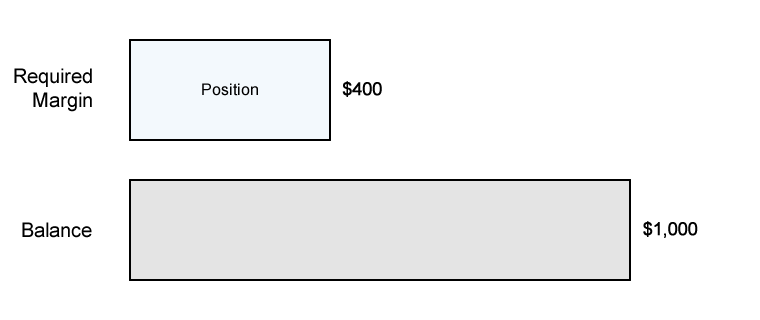
Step 2: Sleuth Out That Used Margin
Apart from the luxo trade we just dropped, no other mojo is happening here.
So, the Used Margin’s playin' twinsies with Required Margin.
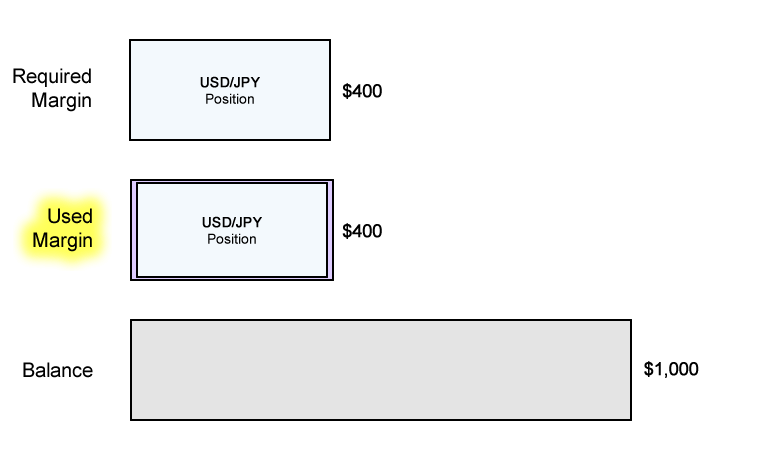
Step 3: Equity Detective Time
Let’s assume the vibe in the market just flipped good for you, and now you’re chill at breakeven.
This means your Floating P/L is parking at a cool and calm $0.
Now, time to crunch numbers for Equity:
Equity = Account Balance + Floating Profits (or Losses)

$1,000 = $1,000 + $0
Your account’s Equity is sitting at $1,000.
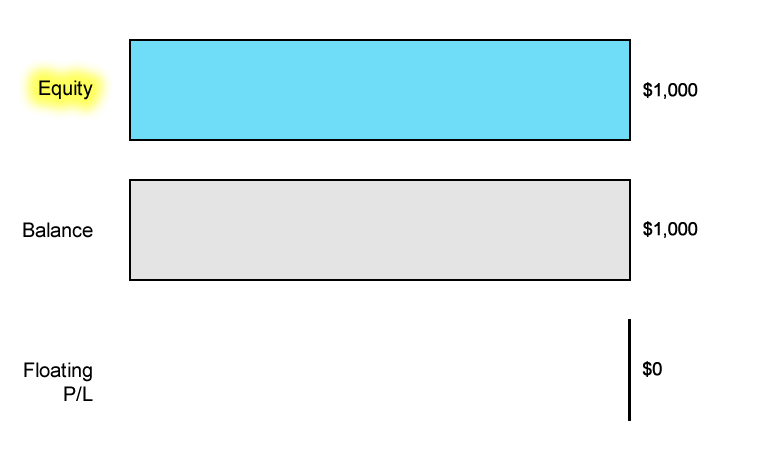
Step 4: Spice It Up to Calculate Margin Level
Since we’ve got our Equity wisdom sorted, let’s calculate the Margin Level:
Margin Level = (Equity / Used Margin) x 100%

250% = ($1,000 / $400) x 100%
The Margin Level lands at a fab 250%.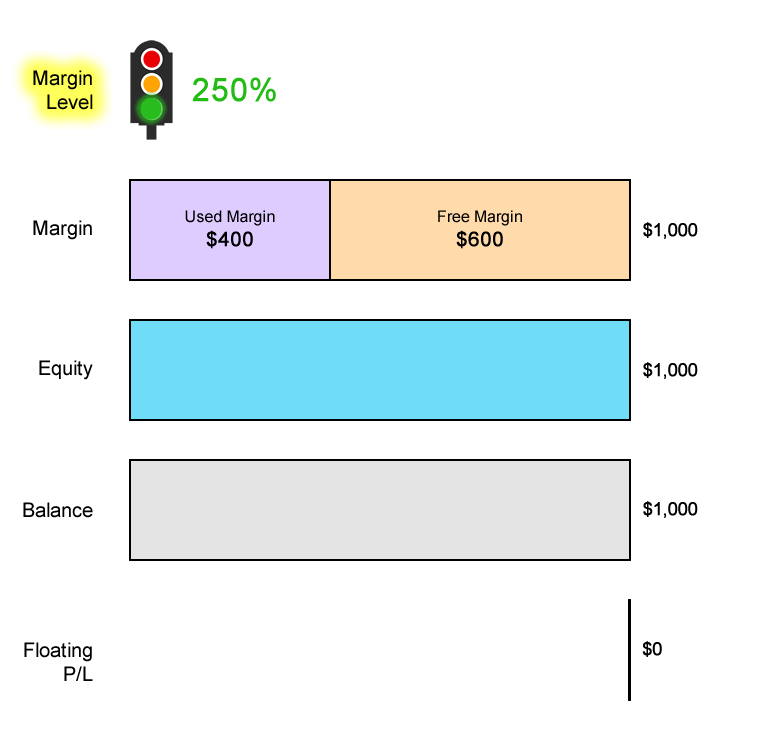
If the Margin Level hits 100% or below, most trading platforms gonna block you from dishing out new gigs.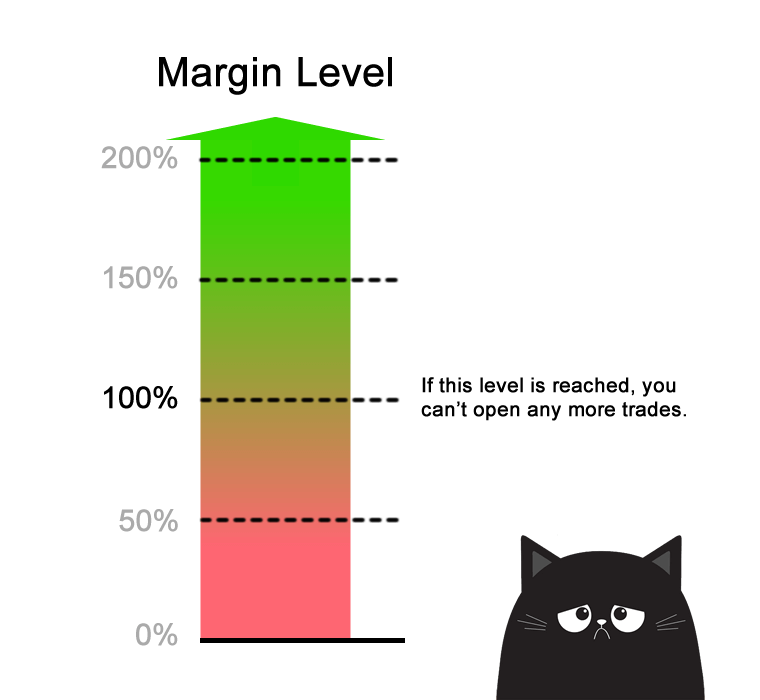
So in this sitch, with your current Margin Level reppin’ at 250%, you’re all free to spread to new trades like butter on hot toast.
Visualize Margin Level as your trading traffic light. As long as Margin Level’s above 100%, your account's got the “green light” flexing for more trading craziness.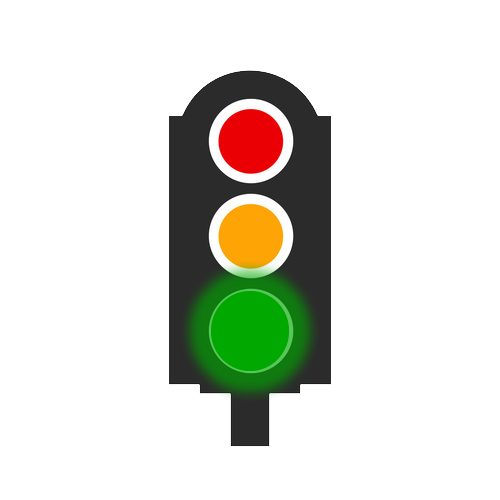
Recap
We’ve learned some dope stuff in this lesson:
- Margin Level is the ratio between Equity and Used Margin, showing flex as a percentage (%).
- For the math whizzes, if your Equity = $5,000 and Used Margin = $1,000, the Margin Level is 500%.
From the previous geeky lessons, we snacked on:
- What is Margin Trading? Dive into why being clued up on margin game is mission-critical.
- What is Balance? Your account balance is like cash vibes you have flowing in your trading wallet.
- What is Unrealized and Realized P/L? Break down how profit or losses shake up your Balance world.
- What is Margin? The Required Margin is basically cash you lock up when making those big moves (positions).
- What is Used Margin? Used Margin is cashola that's busy maintaining your current positions - consider it "locked up".
- What is Equity? Equity is your Balance + any floating profits (or losses) from trades still out in the wild.
- What is Free Margin? Free Margin refers to the extra cash you can wild out with - not locked due to your open legen-wait-for-it-dary positions.
Time to level up and chew on the nerdy-yet-thrilling concept of Margin Call Level.