


An oil war premium is the extra amount traders pay for a barrel of crude because a conflict could cut future supply.
Last week, that premium shrank and swelled on almost every headline. West Texas Intermediate (WTI), the main U.S. oil benchmark, swung between about $91 and $100 as Iran news and supply-relief announcements took turns.
The oil-related Canadian dollar had a worse week than oil. How did this happen?
What Is an Oil War Premium?
Picture an umbrella seller outside a stadium. Prices go up when the forecast turns gray, before a single drop falls.
Oil prices work somewhat the same way. Part of a barrel’s price reflects supply and demand today. Another part reflects the chance that supply disappears tomorrow.
A major factor in this is the geopolitical risk premium. It’s not usually published as a number. Instead, you see it in how far prices jump on a threat and how far they drop on relief.
Over the past few months, the threat has been concrete. The U.S.-Israeli war on Iran has disrupted the Strait of Hormuz, a key shipping route for Gulf oil, and Gulf exports have fluctuated at 60% to 80% of normal levels in recent months.
This war premium can also vanish in a blink. One credible peace headline might wipe out earlier gains, and one drone strike can put them back.
Promoted: Trade the Signal, Not Just the Headline.
WTI crude oil prices can swing dramatically, following geopolitical headlines and supply updates that impact the supply and demand outlook. Once you’ve identified which report matters, FTMO gives you a structured way to test your strategy with no time limits, free trials, and up to $200K in Demo Capital.
Disclosure: To help support our content, we may earn a commission from our partners if you sign up through our links, at no extra cost to you.
Why Did Oil Prices Swing Wildly Last Week?
WTI pushed toward $96.50 in London on Monday, September 28, after Trump rejected Iran’s proposal to reopen the Strait of Hormuz.
On Tuesday, WTI fell 4.8% to near $89, its biggest daily drop of the week, as three supply stories landed together: Saudi Arabia restarted flows on its East-West pipeline, satellite images showed its Red Sea terminals recovering, and the U.S. Department of Energy (DOE) offered up to 40 million barrels from the Strategic Petroleum Reserve (SPR), the government’s emergency oil stockpile.
Buyers returned afterwards. On Wednesday, Trump denied he would ease sanctions on Iran. On Thursday, reports said the Pentagon might send another aircraft carrier and 10,000 troops to the Middle East.On Friday, G7 countries agreed to release 100 million barrels of diesel and crude from emergency reserves, and WTI hit the week’s low near $88. It recovered about half that drop by the afternoon and finished the week down about 3%.
Relief news pushed prices down. War news pulled them up. Neither side won the argument.
Why Was Supply Relief Short-Lived?
The SPR release sounds big, but it has limits. The 40 million barrels are the last of a 172-million-barrel U.S. contribution to a coordinated global release, and the reserve is projected to fall to its lowest level since 1982 once it’s done.
Also, the DOE structured the release as an exchange, essentially a loan, and companies will return approximately 50 million barrels over the return period. Washington is borrowing barrels from its future self. Demand isn’t guaranteed either: in June, companies agreed to borrow only about 500,000 barrels from a similar 40-million-barrel offer.
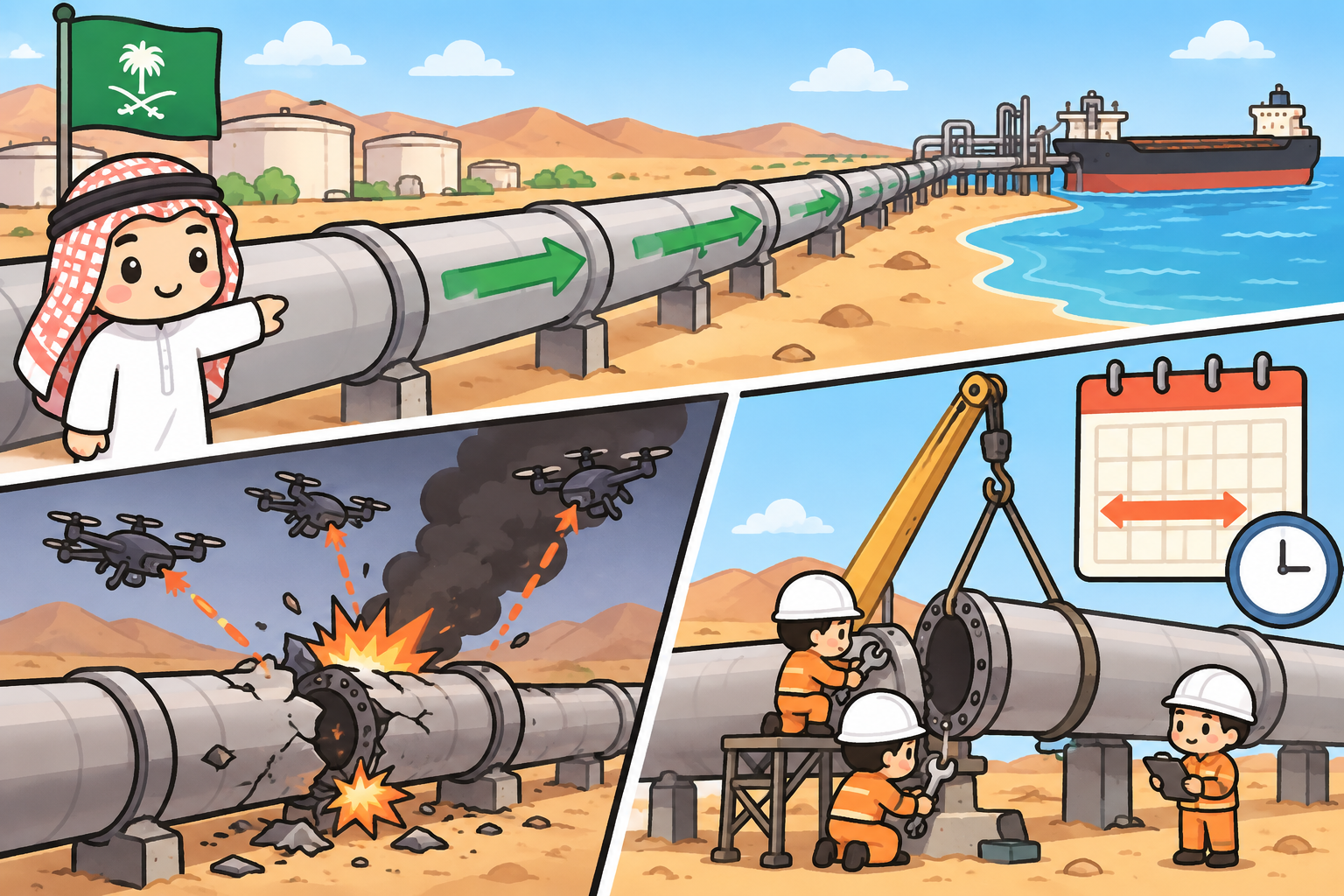 The Saudi pipeline carries its own catch. Saudi Arabia has used it to reroute around 4 million barrels per day, roughly 4% of global supply, to the Red Sea port of Yanbu and away from Hormuz. Drone attacks shut it in mid-September, and operations resumed on September 22 but a full restart would take six to eight weeks.
A reserve release adds a fixed pile of barrels once, while the war risk keeps coming back. That mismatch likely helps explain why each dip still found buyers.
Why Did Oil Fail to Lift CAD?
Canada exports a lot of oil, so the Canadian dollar tends to rise with oil prices. But last week the Loonie lost ground whichever way oil moved, and USD/CAD closed 0.8% higher for the week, its fourth straight weekly gain.
Thursday’s price action illustrates this story. The Loonie slipped against a rising U.S. dollar that morning even as WTI moved higher. Higher oil appears to have fed inflation worries, which tend to lift U.S. Treasury yields and the dollar alongside crude. The 10-year Treasury yield touched 5.34% that day, its highest level since 2002.
Interest rate gaps probably mattered as much as oil. Canada’s 2-year yield sat about 157 basis points below the U.S. 2-year yield, the widest gap since February 2025. A wider gap can pull money toward the higher-yielding dollar.
For now, the road ahead could cut either way. A peace deal might drain the war premium and the Loonie’s oil support with it. Escalation might lift oil, though it could lift U.S. yields at the same time.
Key Takeaways
- The war premium prices possible lost supply, so oil can move several dollars on a headline while the barrels actually delivered stay the same.
- One-time fixes like reserve releases and pipeline restarts can shrink the premium, but they leave the source of the risk in place.
- The daily close tends to tell you more than the first spike. Oil’s moves toward $100 on Monday and down to $91 on Friday both partly reversed before the session ended.
- The CAD-oil link can weaken when rate gaps or a broad dollar rally take over.
What Should Traders Watch Next?
- Tue, Oct 6, 16:00 GMT: Bids for the 40-million-barrel SPR release are due, giving you a read on actual demand.
- Wed, Oct 7, 18:00 GMT: Federal Reserve meeting minutes.
- Fri, Oct 9, 12:30 GMT: Canada’s jobs report. Unemployment is seen at 6.5%, but job-change forecasts range from +9,000 to +65,000
- Anytime: Iran and Houthi headlines
The Canadian dollar lost ground last week whichever way oil moved, which can be confusing if you expect oil-linked currencies to track crude prices closely. Premium members can read our lesson:
📖 Commodity Currencies and Their Hidden Drivers
Reading this helps you understand how oil prices influence the Canadian dollar, which commodities matter most for currencies like CAD and NOK, and why those links can break down when interest rate gaps or a broad dollar rally take over.
And if you’re not a Premium subscriber yet, now’s a good time to sign up.
With Babypips Premium, you get full access to School of Pipsology lessons that help you understand not just where oil prices are heading, but why commodity currencies like the Loonie don’t always follow them.