
By the end of June, two of the world’s most-watched assets had completed dramatically different journeys. Brent crude oil staged one of the fastest rallies in years — only to give almost all of it back. Bitcoin, meanwhile, has quietly fallen more than 50% from its all-time high and is testing price levels last seen in late 2024.
As the second quarter and the first half of 2026 come to an end, traders face an important question:
Were these simply emotional market swings — or are they signaling the next major trend?
This market analysis was prepared by the SabioTrade research team, highlighting the key macroeconomic trends and market developments shaping the outlook for the second half of 2026.
Oil: There and Back Again
If someone stopped watching the market in February and came back at the end of June, they might think nothing happened.
In reality, Brent crude experienced one of the most dramatic round trips of the year.
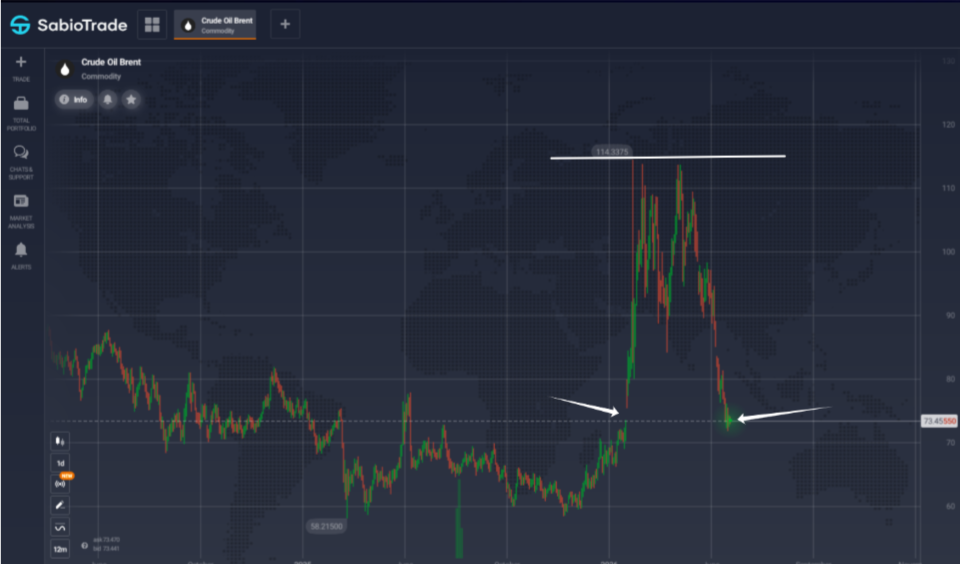
The story began with escalating tensions in the Middle East. As concerns grew over supply disruptions and the security of the Strait of Hormuz — a route responsible for roughly one-fifth of global oil shipments — traders aggressively priced in geopolitical risk. Brent surged from roughly $73 to more than $126 per barrel, a rally approaching 60% in just a few weeks.
Then everything changed.
As ceasefire negotiations progressed and expectations grew that oil exports would gradually normalize, the market rapidly removed the geopolitical premium that had fueled the situation. Brent sold off almost as quickly as it had risen, ending June back near the same levels where the move had started.
This was a reminder of just how quickly sentiment can reverse when prices become driven by fear rather than fundamentals.
Why Oil Fell Even Though Risks Haven’t Disappeared
A common mistake among newer traders is assuming prices move solely because of current events.
Markets actually price expectations.
Even though geopolitical tensions remain elevated and negotiations are far from complete, traders are now assuming that the worst-case supply scenario is less likely than they feared earlier this quarter.
Several factors helped push prices lower:
- Expectations of gradually reopening energy exports;
- Reduced probability of prolonged supply disruptions;
- Profit-taking after an unusually sharp rally;
- Renewed focus on slowing global demand and economic growth.
In other words:
Oil didn’t collapse because everything became safe. It fell because markets stopped pricing catastrophe.
What Could Happen Next?
The second half of the year could follow several different paths.
Scenario 1: Oil Stabilizes
If geopolitical tensions remain contained while supply continues improving, Brent could spend the coming months trading inside a broad range.
This would gradually shift market attention away from politics and back toward traditional drivers such as demand, inventories, inflation, and central bank policy.
Scenario 2: A New Risk Premium Appears
Energy markets remain unusually sensitive to headlines.
Any disruption involving the Strait of Hormuz, OPEC+ production decisions, or renewed military escalation could quickly push volatility higher again.
Oil has reminded traders several times this year that geopolitical premiums can appear almost overnight.
Scenario 3: Demand Becomes the Main Story
If higher interest rates continue slowing global growth, weaker demand could outweigh supply concerns and pressure oil prices further despite ongoing geopolitical uncertainty.
Bitcoin: Back to October 2024
While oil experienced a dramatic boom-and-bust cycle, Bitcoin has quietly been telling a different “back to Earth” story.
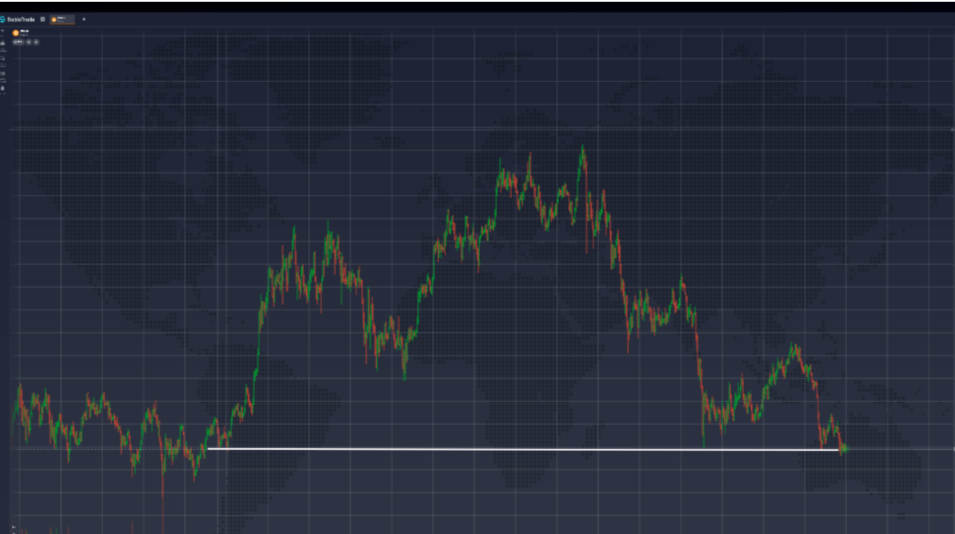
After reaching an all-time high above $126,000, Bitcoin has now lost more than half its value, returning to price levels last seen in October 2024.
Markets that fall 50% tend to split participants into two groups:
- those who believe everything is over;
- those convinced every dip must immediately become a buying opportunity.
Reality is usually more complicated.
Why Has Bitcoin Been So Weak?
Several macroeconomic forces have weighed on cryptocurrencies throughout 2026.
Higher inflation has kept central banks cautious, limiting expectations for aggressive rate cuts. Elevated bond yields continue competing with risk assets, while investors have generally become more selective when allocating capital.
At the same time, Bitcoin has simply been following a familiar historical pattern. Large bull markets are often followed by long consolidation or correction phases before the next major trend develops.
The current decline doesn’t necessarily invalidate Bitcoin’s long-term story — but it does remind traders that even the strongest assets can spend months moving lower.
How Should Traders Interpret Bitcoin’s 50% Correction?
One of the biggest questions in crypto markets is how to interpret a correction of this magnitude.
- For some participants, it may signal improving long-term value;
- For others, it may simply reflect a broader downtrend that has yet to run its course.
Rather than trying to predict the exact bottom, experienced traders usually look for confirmation.
Some signals worth watching include:
- improving market structure with higher highs and higher lows;
- increasing trading volume during rallies;
- stronger institutional participation;
- improving macro conditions such as easing inflation or more dovish central bank expectations.
Until those factors begin aligning, Bitcoin remains vulnerable to additional volatility.
What Traders Should Watch in July
With the first half of 2026 now complete, several themes deserve close attention.
Oil
- Developments surrounding Middle East negotiations;
- Shipping activity through the Strait of Hormuz;
- OPEC+ production announcements;
- U.S. inventory reports;
- Inflation data that could influence energy demand.
Bitcoin
- Whether current support levels continue holding;
- Institutional inflows;
- Federal Reserve expectations;
- Overall risk appetite across financial markets.
The Bigger Lesson
Oil and Bitcoin moved in opposite directions this quarter, but they taught the same lesson: markets often overreact.
Oil surged nearly 60% before giving almost everything back. Bitcoin lost more than half its value from its all-time high.
For traders, the key isn’t predicting every headline — it’s understanding how changing expectations shape price action. That’s what will matter most in the second half of the year.
About SabioTrade
SabioTrade provides trading education, market analysis, and trading skill evaluation programs in a simulated trading environment. Its services are designed to help users develop trading discipline and risk management skills under market-like conditions.
Participation in any evaluation program is subject to SabioTrade’s terms, conditions, and eligibility requirements.