


Some markets give traders a clean story. Others make everyone look like they’re reading the instruction manual upside down.
This is one of those markets.
Stagflation worries are back in focus, with inflation still sticky, growth starting to wobble, and central banks stuck choosing between bad options.
If they cut rates too soon, inflation could get another shot of caffeine. If they stay tight too long, growth could crack harder.
That’s a tough setup for policymakers, which means traders probably shouldn’t pretend the answer is obvious from one candle on the 15-minute chart.
Why One Market Story Isn’t Enough
The lesson goes beyond stagflation, though. Markets often stop following the neat stories traders want them to follow.
Weak data can weigh on a currency, but sticky inflation can keep rate cut hopes in check. Rising oil can support commodity currencies, but it can also hurt risk appetite if traders start worrying about growth. Gold can rally on fear, then stumble if yields take over the driver’s seat.
In other words, markets can carry more than one story at a time.
The trouble starts when traders pick one, move in with it, decorate the place, and ignore anything that doesn’t match the furniture.
Conviction is useful, but stubbornness gets expensive fast.
How Scenario Building Helps
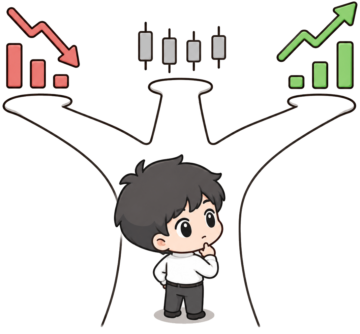 This is where scenario building helps. Instead of asking, “What will happen?” a trader can ask, “What are the most likely paths from here?”
Start with a base case. This is your most likely outcome based on market pricing, recent data, central bank guidance, sentiment, and the chart.
Then build the upside case. What would push price higher? Softer inflation, lower yields, better risk appetite, or a clean break above resistance could all matter.
Next, build the downside case. What would drag price lower? Hotter inflation, rising yields, weaker growth, souring sentiment, or a break below support could shift the tone.
Then define your invalidation point. What would prove your setup is no longer valid? Without that line, traders start negotiating with losing positions and calling it patience.
Promoted: When markets are messy, one strong opinion isn’t enough. You need scenarios, invalidation points, and the patience to sit out setups that don’t deserve your capital.
Maven Trading provides simulated funding challenges starting as low as $15, allowing you to trade major pairs with professional sized capital. No time limits mean you can wait for cleaner setups instead of chasing every headline, candle, or “this is totally the move” moment.
Learn More About Maven Trading Today!
Disclosure: We may earn a commission from our partners if you sign up through our links, at no extra cost to you.
Don’t Forget the No Trade Scenario
A good plan should also include a no-trade condition, because some setups are too messy to deserve your capital.
Price might be whipping around both sides of a key level. Spreads might be wider than usual. The first reaction to a data release might be too emotional. The chart may be tradable, but the backdrop’s mud wrestling with candlesticks.
No trade is still a trading decision. It’s not glamorous, but neither is blowing up an account because you wanted action.
A Simple Example
Say you’re watching AUD/USD ahead of the U.S. CPI report.The base case could be that the pair stays choppy before the release as traders wait for the data to update Fed expectations.
The upside case could involve softer CPI, lower Treasury yields, a weaker dollar, and better risk appetite supporting Aussie. The downside case could involve hotter CPI, higher yields, a stronger dollar, and pressure on AUD/USD.
From there, the plan becomes cleaner. A breakout that quickly fails could invalidate the setup by showing that the market lacks follow-through. The execution plan might be to avoid chasing the first candle, wait for the reaction to settle, and only take the trade if price confirms the scenario.
The Real Edge Is Emotional Preparedness
Scenario building won’t remove uncertainty. Nothing will. But it can keep uncertainty from hijacking your decisions.
When traders have no plan, every headline feels urgent, every candle feels like a verdict, and every move against them feels personal. When they have scenarios, they already know what supports the trade, what weakens it, and what tells them to step aside.
In broken playbook markets, the best traders aren’t the ones with the loudest opinions. They’re the ones who can stay flexible without freezing, confident without getting stubborn, and cautious without hiding from opportunity.
You don’t need to know exactly what happens next. You need to know what you’ll do if it does.
This article makes the case for scenario building as a way to stay prepared when markets stop following a clean story. If you haven’t built out a structured trade plan that covers your base case, invalidation points, and no-trade conditions, Premium members can read our lesson:
📖 Building Your Trading Plan: The Five Core Components
Reading this helps you understand how to define your entry and exit rules, how to set invalidation conditions before you’re in a trade, and how to build the kind of structured plan that keeps emotions out of real-time decisions.
And if you’re not a Premium subscriber yet, now’s a good time to sign up.
With Babypips Premium, you get full access to School of Pipsology lessons that help you understand not just what scenarios to build, but how to structure the rules, invalidations, and trade conditions that turn a vague plan into something you can actually follow.