How to Trade Wedge Chart Patterns in Forex
Learn how to spot a rising wedge and falling wedge chart patterns like other forex traders.

From basic trading terms to trading jargon, you can find the explanation for a long list of trading terms here.

Find out just how much you've learned by taking any of our 50+ trading quizzes. You can even see how your scores compare to others!

Learn how to trade forex in a fun and easy-to-understand format. Track your progress and learn at your own pace.

In our crypto guides, we explore bitcoin and other popular coins and tokens to help you better navigate the crypto jungle.

Decryptopedia™ helps you decipher crypto jargon back into plain English. Learn the terms that you’ll come across on your crypto journey.

Find out just how much you’ve learned in our School of Crypto by taking our crypto quizzes. How will you score against other quiz takers?

Learn about crypto in a fun and easy-to-understand format. Track your progress and learn at your own pace.

Our Currency Correlation Calculator helps you identify the strength of relationships between currency pairs.


Instantly find out whether the forex market is open or what the current trading session is based on your local timezone.


Our Risk-On/Off Meter helps you gauge risk sentiment of the market & make trades best suitable to the current market conditions.


Determine significant support and resistance levels with the help of pivot points.


Our gain and loss percentage calculator quickly tells you the percentage of your account balance that you have won or lost.


Determine the value per pip in your trading account's currency so you can better manage your risk per trade.


Find the approximate amount of currency units to buy or sell so you can control your maximum risk per position.


Learn how to spot a rising wedge and falling wedge chart patterns like other forex traders.
Learn how forex traders trade symmetrical, ascending, and descending triangle chart patterns.

Improve your forex trading by learning the main groups of chart patterns: reversal, continuation and bilateral.

Learn how forex traders use double tops and double bottoms to trade breakouts.

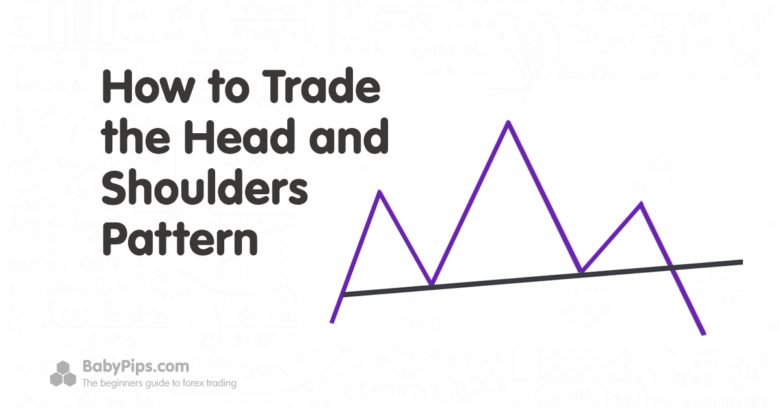
Learn how forex traders use the head and shoulders pattern to spot trend reversals.
Learn is how to calculate forex pivot point levels.

Learn how forex traders use leading and lagging indicators to analyze potential trending and range bound trade opportunities.

Learn how forex traders use the bullish rectangle and bearish rectangle chart pattern to trade breakouts.

In Elliott Wave Theory, learn how the forex market moves against the trend in a 3-wave pattern is called corrective waves.
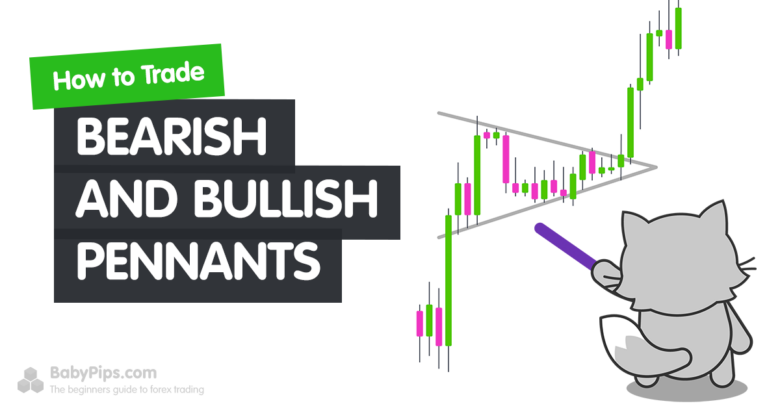
Learn how forex traders use the bearish and bullish pennant chart patterns to trade breakouts.
Learn how to use Elliott Waves in your forex trading and determine entry, stop loss, and exit points.
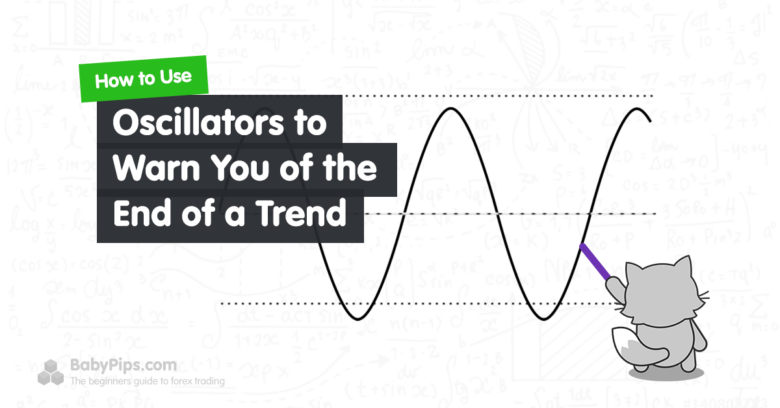
Learn how forex traders use leading indicators, also known as oscillators, to alert them of a possible trend reversal.
Learn how forex traders use the Gartley pattern to identify major turning points in the market.
In Elliott Wave Theory, learn how the overall trend in the forex market moves in a 5-wave pattern called impulse waves.
Learn how forex traders use harmonic price patterns to spot possible areas for a continuation of the overall trend.
Learn how forex traders use pivot points to trade breakouts when support or resistance levels fail to hold.

Here are some tips that will help you make better pivot point trading decisions and improve your forex trading.
Here are some tips on applying Elliott Wave Theory principles to your forex trading.
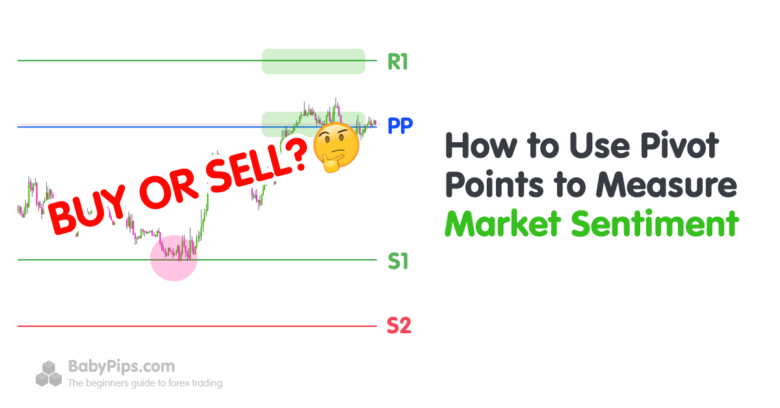
Learn how forex traders use pivot points to measure market sentiment, whether forex traders are bullish or bearish on a currency pair.
Learn how currency prices connect to bond markets, equity markets, and gold, and how the risk-on/risk-off framework ties them all together.
Learn what the CVIX measures, how to read its levels, and why a dedicated currency volatility index gives forex traders something the VIX and MOVE Index can't: a direct read on fear inside the FX market itself.
Most new forex traders blow their accounts. Not because of bad strategy or bad luck. Because of a tool their broker handed them on day one that they never fully understood.
Learn what price action trading actually is, why it works on every market from forex to stocks to crypto, and why stripping your chart down to bare price might be the most powerful upgrade you make as a trader.
The Fed doesn't just set rates, it sends signals. Learn how to read the six hawkish and dovish decision combinations, why tone often moves markets more than the rate change itself, and how each scenario plays out across equities, bonds, forex, commodities, and crypto.
Learn what the MOVE Index measures, why bond market volatility matters for FX and risk assets, and how to use it alongside the VIX to get a more complete picture of the current risk environment.
Learn exactly where to find the economic calendars, central bank communications, official data sources, and market tools every trader needs, and how to build a pre-session routine that puts it all to use.
Learn what the VIX actually measures, what different levels mean for market conditions, and how to use it as a forex trader to quickly read the current risk environment before placing any trade.
The forex market offers exciting opportunities but also attracts scammers looking to take advantage of unsuspecting traders. This quiz tests your knowledge of common forex scams and how to protect yourself from fraudulent schemes. Understanding these red flags could save you from losing your hard-earned money.
Learn how central bank balance sheets impact currency values. This lesson explains why forex traders must understand balance sheet expansion and contraction to trade currency pairs.
What is traded in forex? Think of buying a currency as buying a share in a particular country, like buying stocks of a company.

It’s critical for the crocodile to understand its prey and to know where to look for it and remain calm and patient until it arrives. As traders, we have to know what our trading edge looks like and where to look for it and then control ourselves enough to not over-trade before it arrives. Nial Fuller